Introduction
We are generating data at an unprecedented rate. From autonomous vehicle logs to 8K video streaming and AI training datasets, the world produces roughly 400 million terabytes of data every day. The problem? We are running out of space. Silicon chips and magnetic tapes are reaching their physical limits, and the energy required to cool massive data centers is contributing to the AI Energy Crisis.
Nature, however, solved this storage problem billions of years ago. DNA Data Storage is the ultimate archival technology, promising to store the entire internet in a container the size of a shoebox.
Unlike Holographic Storage, which uses light for rapid access, DNA storage uses biology for extreme density and longevity. In this guide, we explore how digital files are converted into biological molecules and why this technology is inevitable for the future of archiving.
What is DNA Data Storage?
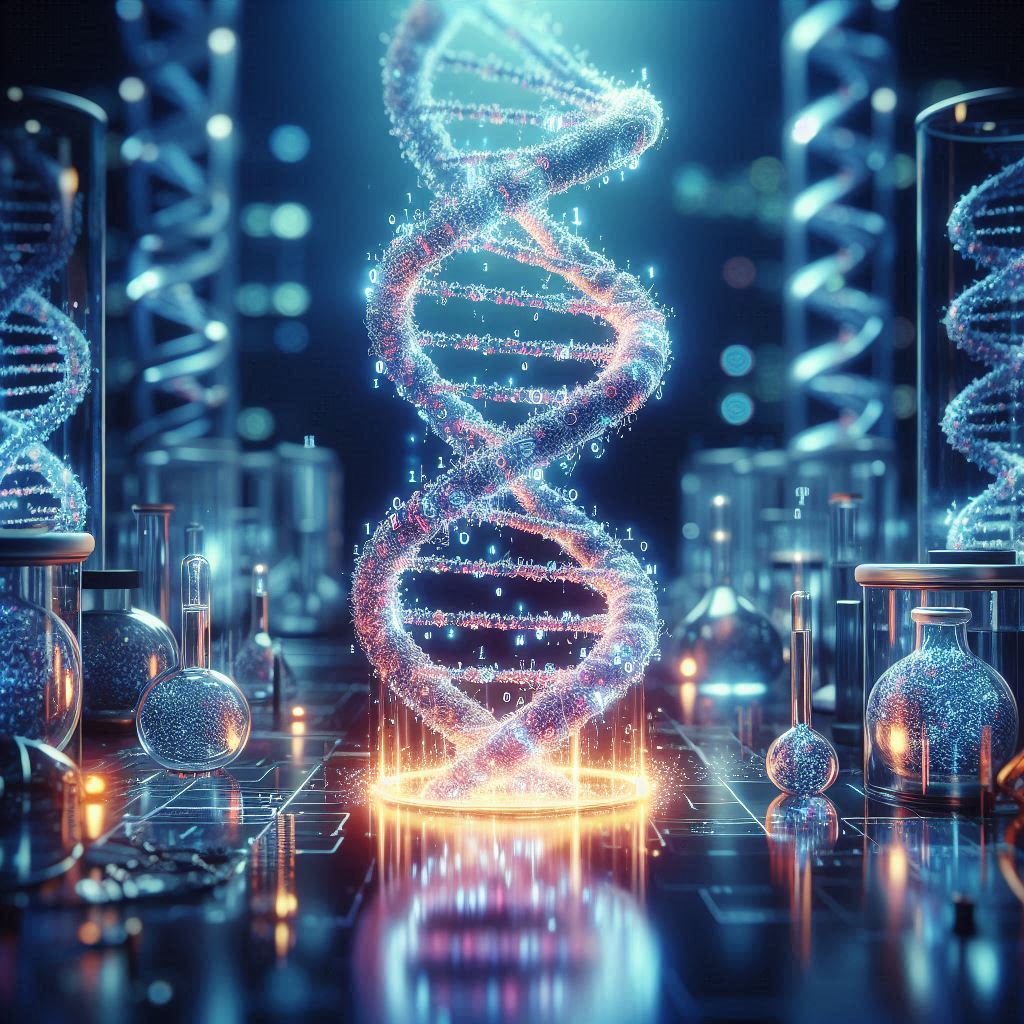
DNA (Deoxyribonucleic Acid) is essentially a biological hard drive that contains the instructions for life. DNA Data Storage works by translating digital binary code (0s and 1s) into the four chemical bases of DNA: Adenine (A), Cytosine (C), Guanine (G), and Thymine (T).
For example, a binary sequence like 00 might become A, 01 becomes C, and so on. This sequence is then synthesized into artificial DNA strands, which can be stored in a tiny vial. To read the data back, a DNA sequencer (similar to those used in medical labs) decodes the chemical sequence back into binary.
The Density Advantage
The most staggering aspect of DNA is its density. A single gram of DNA can theoretically store 215 petabytes (215 million gigabytes) of data. To put that in perspective, all the data currently stored in the world could fit into a single room if encoded in DNA.
Why Silicon Can’t Compete: Durability and Energy
While silicon-based SSDs and HDDs degrade over time (usually within a decade), DNA is incredibly stable.
- Longevity: DNA extracted from fossils hundreds of thousands of years old can still be sequenced. If kept in a cool, dry place, synthetic DNA data storage can last for thousands of years without data loss. This effectively solves the “Bit Rot” problem.
- Energy Efficiency: Once data is written to DNA, it requires zero energy to maintain. Unlike data centers that need constant electricity for cooling and spinning disks, a vial of DNA just sits there. This makes it the perfect solution for “Cold Data”—information that needs to be kept forever but rarely accessed, such as government records or scientific archives.
The Challenges: Cost and Speed
If DNA storage is so perfect, why aren’t we using it in our laptops? The answer lies in cost and speed.
- Writing Speed (Synthesis): Writing data to DNA is currently a chemical process that is much slower than writing to a hard drive. It takes hours or days to synthesize significant amounts of data.
- Cost: While the cost of sequencing (reading) DNA has dropped dramatically due to the genomics revolution, the cost of synthesizing (writing) DNA remains high—currently estimated at thousands of dollars per megabyte.
However, companies like Twist Bioscience and Microsoft (Project Silica) are working to reduce these costs. The goal is to make DNA storage competitive with magnetic tape for enterprise archiving within the next decade.
The Future of Archiving
We are entering a hybrid era. High-speed RAM and Optical Computing will handle real-time processing, while biological substrates will handle long-term memory.
As we move towards a digital civilization, preserving our history requires a medium that can outlast our machines. DNA Data Storage offers a way to safeguard human knowledge in a format that is universally readable by any biological entity, essentially future-proofing our data against technological obsolescence.
Conclusion: DNA Data Storage
The convergence of biology and technology is no longer science fiction. DNA Data Storage represents a paradigm shift from electronic to molecular memory. While it won’t replace your SSD for gaming, it will become the backbone of global archives, ensuring that the digital age is not lost to time.
For more insights into how hardware is evolving to meet AI demands, check out our analysis on Neuromorphic Computing.